All Categories
Featured
The Basic Principles Of No-Cost Informational Debt Counse...
Staying Safe Against Bankruptcy Counseling Predatory Prac...
Rumored Buzz on Forms of Relief Programs You May Know About

Fascination About Regulatory Aspects Related to Bankruptc...

Some Known Factual Statements About Important Things to Ask Prior to Signing Up
Table of Contents
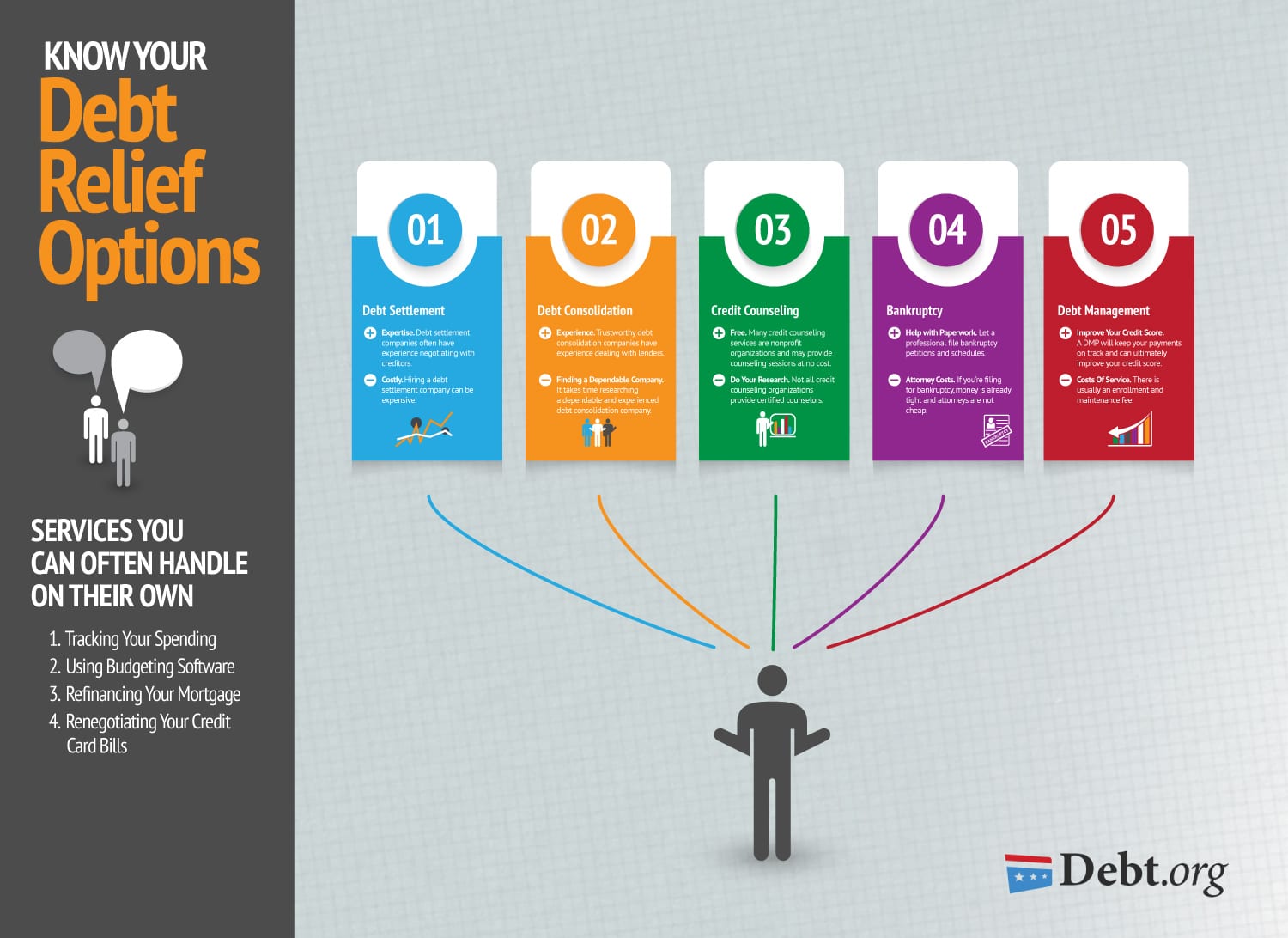
That frees up money in the short-term, and you might have three to 4 years to conserve towards the settlement quantity. Really harmful to credit rating, mostly as a result of missed out on settlements and a negative "worked out" mark that might stay on your credit rating record for approximately seven yearsMay be only option if other options (debt loan consolidation, equilibrium transfer credit scores cards, debt mercy) aren't possibleTypically requires a cost to the 3rd party, which might balance out some or every one of the cost savings from financial debt settlementMay aid you prevent bankruptcy if you have actually missed out on several paymentsNot all creditors collaborate with financial obligation negotiation business Debt mercy may be ideal for you if you are experiencing a financial difficulty that makes it nearly impossible to pay for your debt balances.
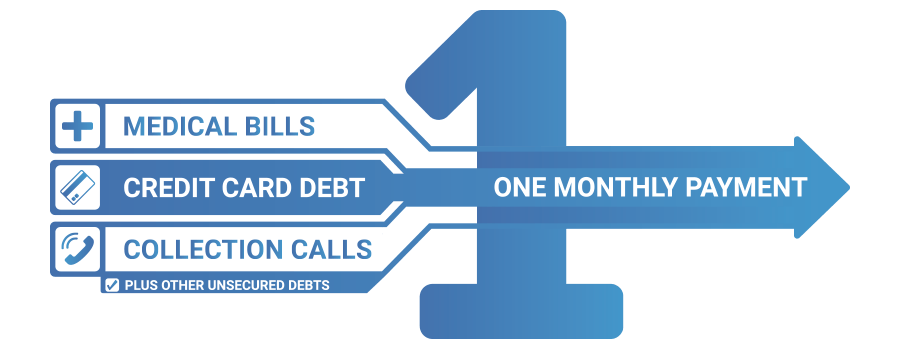
With a DMP, you make one month-to-month settlement to the credit score therapy company. Those funds are after that distributed to financial institutions of your unprotected debts, such as bank card and installment fundings. The agency works with your financial institutions to minimize interest prices or waive costs, but some creditors may decline such giving ins.
It can assist you pay down debt if you're able to protect a funding rate that's lower than the ordinary rate of the accounts you're combining. You need to avoid from racking up debt on those freshly removed accounts or your financial debt could grow also higher.
That provides you lots of time to remove or substantially decrease your balance while making interest-free settlements.
The Best Guide To Extended Guidance and Check-In Services
You might require it if your lender or a collection company ever before attempts to gather on the financial obligation in the future. When a lender forgives $600 or more, they are called for to send you Type 1099-C.
Financial obligation forgiveness or negotiation generally injures your credit score. Anytime you settle a financial debt for less than you owe, it might show up as "resolved" on your credit report and affect your credit report for 7 years from the date of settlement. Your credit scores can likewise drop substantially in the months leading to the mercy if you fall behind on payments.
Steps for Reach Financial Trauma Recovery: Counseling Techniques for Clients with Repeated Financial Crises Experts Today Fundamentals Explained
Tax financial debt compromise programs Tax debt occurs when the amount of taxes you owe surpasses what you have actually paid. This circumstance usually results from underreporting revenue, not filing returns on schedule, or inconsistencies found throughout an IRS audit. The repercussions of gathering tax financial obligation are major and can include tax obligation liens, which give the internal revenue service a legal insurance claim to your building as security for the debt.
Earnings and Bank Accounts IRS can impose (confiscate) wages and financial institution accounts to please the financial obligation. Residential property Seizure In severe instances, the IRS can confiscate and market residential property to cover the financial debt.
Social Stigma Dealing with lawful action from the Internal revenue service can lug social preconception. Employment Opportunities An inadequate credit rating due to strain financial obligation can limit employment opportunities. Federal government Advantages Tax obligation debt may affect eligibility for federal government advantages, such as Social Protection and Medicaid.
4 Easy Facts About Complimentary Accessible Financial Literacy Materials Offered by APFSC Described
The OIC thinks about several elements, consisting of the taxpayer's income, expenditures, asset equity, and capacity to pay. Effectively negotiating an OIC can be intricate, needing a detailed understanding of the IRS's standards and a solid debate for why your deal lines up with your capacity to pay. It is very important to note that not all applications are approved, and the process needs comprehensive monetary disclosure.
The IRS evaluates your general financial situation, including your earnings, expenditures, possession equity, and capacity to pay. You have to additionally be present with all declaring and settlement demands and not remain in an open personal bankruptcy case. The internal revenue service additionally considers your conformity background, evaluating whether you have a record of timely filing and paying tax obligations in previous years.
All about Knowing Your Rights in Bankruptcy Proceedings
The application procedure for a Deal in Compromise involves a number of thorough actions. You need to complete and submit IRS Form 656, the Offer in Concession application, and Kind 433-A (OIC), a collection information declaration for individuals. These kinds need comprehensive economic details, consisting of information concerning your earnings, debts, expenses, and assets.
Back taxes, which are unpaid tax obligations from previous years, can dramatically increase your total internal revenue service debt otherwise dealt with immediately. This financial debt can accumulate interest and late payment fines, making the original amount owed a lot bigger gradually. Failing to pay back tax obligations can lead to the internal revenue service taking enforcement activities, such as providing a tax lien or levy against your residential or commercial property.
It is necessary to address back taxes immediately, either by paying the total owed or by setting up a layaway plan with the IRS. By taking proactive steps, you can avoid the accumulation of extra interest and fines, and protect against much more hostile collection activities by the internal revenue service.
One typical reason is the idea that the taxpayer can pay the total either as a lump sum or through a repayment plan. The internal revenue service also thinks about the taxpayer's income, expenditures, asset equity, and future earning capacity. If these aspects indicate that the taxpayer can afford to pay greater than the provided quantity, the internal revenue service is likely to deny the offer.
Not known Facts About Is Debt Forgiveness Make Sense for Your Case
It is critical to provide accurate and total info in your application and to talk to a tax obligation specialist to improve the opportunities of acceptance. Taking care of internal revenue service financial obligation can be complicated and complicated. Tax professionals, such as CPAs, tax obligation lawyers, or enrolled agents, can provide very useful aid. They have the competence to navigate the complexities of tax legislation and internal revenue service treatments.

Table of Contents
Latest Posts
The Basic Principles Of No-Cost Informational Debt Counseling Resources for Families
Staying Safe Against Bankruptcy Counseling Predatory Practices Can Be Fun For Everyone
Rumored Buzz on Forms of Relief Programs You May Know About
More
Latest Posts
The Basic Principles Of No-Cost Informational Debt Counseling Resources for Families
Staying Safe Against Bankruptcy Counseling Predatory Practices Can Be Fun For Everyone
Rumored Buzz on Forms of Relief Programs You May Know About